
 By Recharge Info hub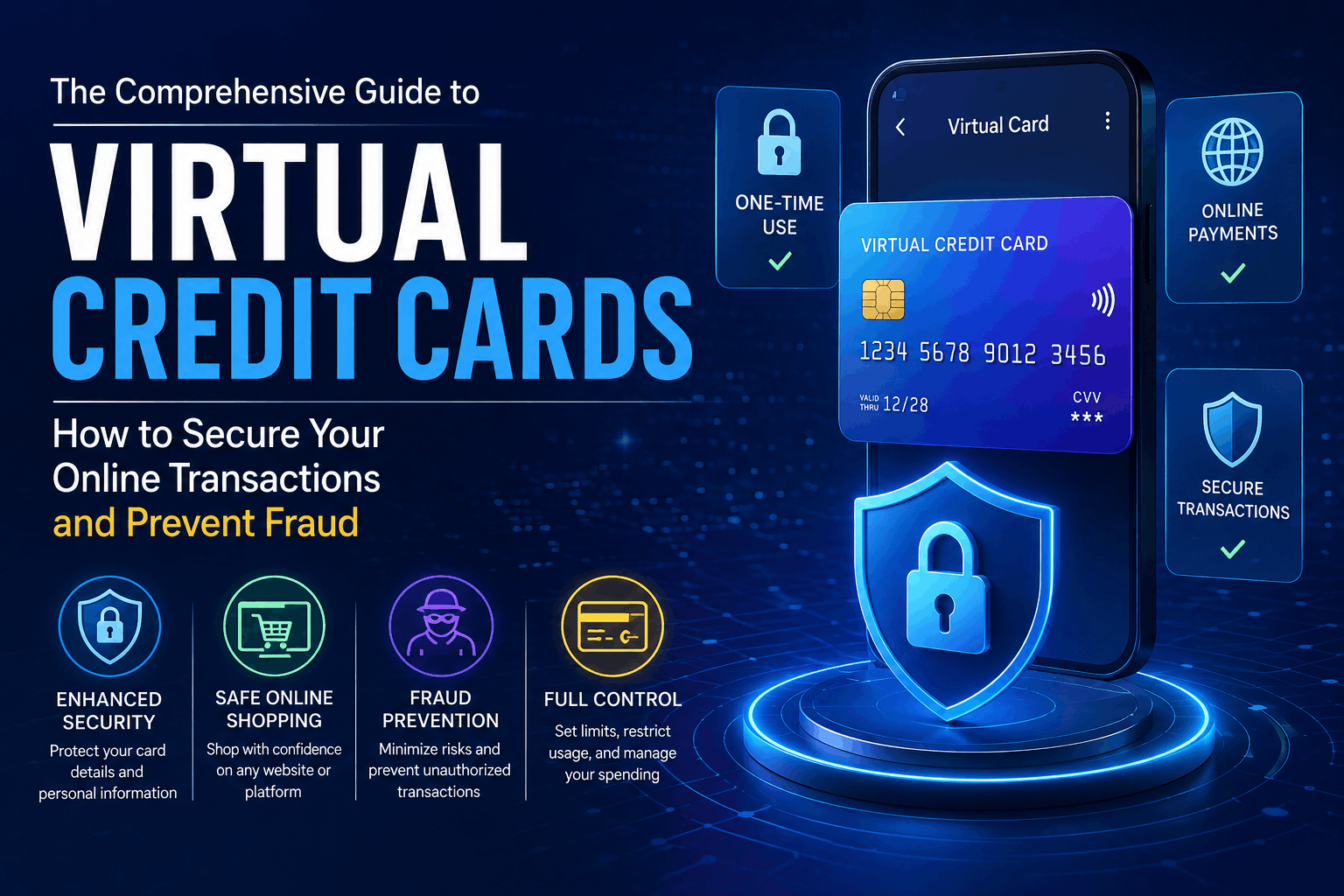
Understanding the Vulnerability of Online Transactions
The convenience of online shopping has revolutionized consumer habits, allowing individuals to purchase goods and services from anywhere in the world with a few clicks. However, this convenience comes with inherent security risks. Card-Not-Present (CNP) fraud is one of the fastest-growing categories of financial crime. Unlike in-person transactions where physical security measures like EMV chips and PINs protect your data, online transactions rely on static information: your 16-digit Primary Account Number (PAN), expiration date, and Card Verification Value (CVV).
When you enter this sensitive information into a merchant’s checkout page, you trust that the merchant’s database is secure, their connection is encrypted, and no malicious software is intercepting your keystrokes. Unfortunately, merchant data breaches occur with alarming frequency, exposing millions of credit card records to the dark web. Once fraudsters obtain your static card details, they can execute unauthorized purchases, drain your credit limit, and cause significant administrative headaches. To combat this threat, financial institutions and fintech companies have developed a powerful defensive tool: the Virtual Credit Card (VCC).
What is a Virtual Credit Card (VCC)?
A Virtual Credit Card is a temporary, digitally generated credit card number linked to your existing physical credit card account. It features a unique 16-digit card number, a custom expiration date, and a dynamic or static CVV. While it functions exactly like a traditional credit card during the online checkout process, it acts as a protective buffer between the merchant and your actual credit line.
When you use a VCC, the merchant never sees or stores your physical credit card number. Instead, they process the transaction using the virtual alias. If the virtual card details are compromised in a data breach, your primary credit card remains completely safe and unaffected. You do not need to cancel your physical card, update your billing details on dozens of other websites, or wait for a replacement card to arrive in the mail.
How Virtual Cards Differ from Physical Cards
While both physical and virtual cards draw from the same underlying line of credit, they differ significantly in their operational parameters:
- Physical Presence: Physical cards are designed for swipe, dip, tap, and manual entry transactions. Virtual cards exist solely in digital form and are strictly intended for online, over-the-phone, or mail-order transactions where a physical card is not required.
- Lifecycle Control: A physical card typically has an expiration date spanning three to five years. A virtual card can be configured to expire after a single use, after a specified number of months, or upon reaching a customized spending limit.
- Granular Security: If a physical card is compromised, the entire account must be closed. If a virtual card is compromised, you can instantly delete or pause that specific virtual card within your online banking portal without disrupting your primary account.
How Virtual Credit Cards Shield Your Wealth
Virtual credit cards provide multiple layers of security that traditional credit cards cannot match. Understanding these mechanisms helps consumers leverage VCCs effectively to safeguard their personal finances.
1. Protection Against Merchant Data Breaches
When major retailers or subscription services suffer data breaches, hackers harvest databases containing customer payment information. If you used a VCC for your purchases, the hackers only obtain a card number that may already be expired, deleted, or locked to that specific merchant. Because the VCC cannot be used elsewhere, the stolen data is virtually useless to fraudsters.
2. Defense Against Unwanted Subscription Charges
Many online services offer free trials that automatically convert into paid, recurring subscriptions. Canceling these subscriptions can sometimes be notoriously difficult, requiring consumers to navigate complex customer service hurdles. By using a virtual credit card set with a maximum spending limit equal to the trial cost (often $0 or $1) or by setting the card to expire immediately after the trial sign-up, you prevent the merchant from automatically billing you for a renewal without your explicit consent.
3. Prevention of Card-Not-Present (CNP) Fraud
VCCs dramatically lower the success rate of phishing attacks and card-skimming operations. Because you can generate a new card for every transaction or merchant, a compromised card number cannot be used across different platforms. The security envelope is restricted to a single point of contact, minimizing your attack surface.
Types of Virtual Credit Cards
Not all virtual credit cards operate in the same manner. Depending on your card issuer or third-party provider, you may have access to different types of virtual cards tailored for specific purchasing scenarios.
Single-Use (Disposable) Virtual Cards
Single-use virtual cards are designed for one-time transactions. The moment the transaction is processed and settled, the card number is automatically deactivated. Any subsequent attempt to charge the card—whether by the same merchant or a fraudster—will be declined. This type of card is ideal for making purchases from unfamiliar websites, online classifieds, or one-off service providers.
Merchant-Locked Virtual Cards
Merchant-locked cards are designed for ongoing relationships with specific retailers, such as utility companies, streaming services, or preferred e-commerce platforms. The first time you use this virtual card with a merchant, the card becomes permanently linked (or “locked”) to that specific business. If a hacker steals this card number and attempts to use it at a different store, the transaction is automatically blocked, even if the card has an active credit limit and has not expired.
How to Generate and Use a Virtual Credit Card
Generating and utilizing a virtual credit card is a straightforward process, though the exact steps vary depending on whether you are using a service provided directly by your bank or a third-party financial technology platform.
Step 1: Check Issuer Availability
Many major card issuers offer virtual credit card numbers as a free benefit to their cardholders. Log in to your online banking portal or mobile application and search for terms such as “Virtual Card Numbers,” “Manage Virtual Cards,” or proprietary assistant tools (such as Capital One’s Eno or Citi’s Virtual Account Numbers). If your primary bank does not offer this service, you can utilize reputable third-party fintech services that link directly to your funding source via secure, bank-level encryption.
Step 2: Access the Generator and Set Parameters
Once you access the virtual card interface, you can generate a new card. Depending on the provider, you may be prompted to customize the card’s parameters:
- Nickname/Label: Assign a name to the card (e.g., “Streaming Subscription” or “Office Supplies Store”) to keep track of your active virtual cards.
- Spending Limit: Establish a maximum charge limit. This can be a daily limit, a monthly limit, or a lifetime maximum.
- Expiration Date: Set a custom expiration date, ranging from a few days to several years in the future.
Step 3: Enter the Details at Checkout
When you are ready to make your purchase, copy the generated virtual card number, expiration date, and CVV. Paste these details into the payment fields on the merchant’s checkout page. The transaction will process instantly, and the charge will appear on your standard monthly credit card statement, usually identified by the nickname or virtual card index number for easy tracking.
Potential Drawbacks and Limitations of VCCs
While virtual credit cards offer exceptional security benefits, they are not without practical limitations. Consumers must understand these constraints to avoid transaction disruptions.
1. Complications with Product Returns and Refunds
When you return a product, merchants typically require the refund to be processed back to the exact card number used for the original purchase. If you used a single-use or deleted virtual credit card, the merchant’s system may flag the card as inactive. While most major card issuers are designed to route refunds back to the parent account ledger even if the virtual number is closed, third-party VCC providers or smaller institutions may require manual intervention, resulting in delays or store credit instead of a direct refund.
2. Verification Requirements for Physical Services
Certain industries require customers to present the physical credit card used for the online booking upon arrival. Common examples include:
- Picking up rental cars.
- Checking into hotels.
- Collecting physical concert, airline, or movie tickets at a kiosk.
If you used a virtual credit card to book these services, you will not have a matching physical card to present to the representative. In these scenarios, it is highly recommended to use your physical credit card rather than a VCC to avoid service denials.
3. Limited Availability and Issuer Support
Not all credit card issuers offer virtual card capabilities. Some banks restrict the feature to specific premium card tiers, while others have phased out proprietary desktop applications without replacing them with mobile-friendly alternatives. Consumers may need to open new accounts or rely on third-party platforms to access these security features.
Virtual Credit Cards vs. Tokenized Mobile Wallets
Many consumers confuse virtual credit cards with mobile wallets like Apple Pay, Google Pay, or Samsung Pay. While both technologies utilize tokenization to protect your primary account details, they serve different purposes and operate in distinct environments.
| Feature | Virtual Credit Card (VCC) | Tokenized Mobile Wallet |
|---|---|---|
| Primary Environment | Desktop and mobile web browsers (e-commerce). | In-person point-of-sale (NFC) and supported mobile apps. |
| Control Level | High: Set customized spending limits and expiration dates. | Moderate: Mirrors the physical card limits and expiration. |
| Generation Method | On-demand via banking app, extension, or portal. | One-time provisioning of the physical card to a device. |
| Merchant Specificity | Can be locked to a single merchant. | Usable at any merchant accepting mobile payments. |
A Checklist for Choosing and Using VCCs Safely
To maximize the security benefits of virtual credit cards, incorporate the following best practices into your online financial routine:
- Use Merchant-Locked Cards for Recurring Bills: For monthly utility, streaming, or membership fees, generate a dedicated card locked to that merchant with a spending limit slightly above the monthly bill amount to prevent unexpected price hikes.
- Use Single-Use Cards for One-Off Purchases: When buying from a new retail site, an online marketplace, or a forum, always utilize a disposable virtual card that immediately deactivates after the transaction.
- Monitor Your Master Statement Regularly: While VCCs limit your exposure, they do not eliminate the need for vigilance. Review your master account statements monthly to identify unauthorized charges or billing errors.
- Verify Refund Policies: Before making a large purchase with a virtual card that you plan to return, confirm how your card issuer handles refunds sent to closed or temporary virtual accounts.
- Keep Your Mobile Banking App Secure: Because your virtual cards are managed via your banking app or browser extension, secure these portals with strong, unique passwords, biometric authentication, and multi-factor authentication (MFA).
Frequently Asked Questions
Do virtual credit cards affect my credit score?
No. Virtual credit cards do not impact your credit score. They are not new credit lines; they are simply digital aliases pointing to your existing, approved physical credit card account. Transactions made with a virtual card are reported to credit bureaus under your primary account exactly like any other purchase.
Are there additional fees to use virtual credit cards?
For the vast majority of major card issuers, virtual credit card generation is a complimentary security feature included with your account. Some third-party fintech platforms offer free basic tiers with monthly generation limits, charging a premium subscription fee only for advanced features, high volumes, or business accounts.
Can I use a virtual credit card for international purchases?
Yes. Virtual credit cards can be used for international online purchases, provided your parent credit card network (such as Visa, Mastercard, or American Express) is accepted by the merchant. Keep in mind that standard foreign transaction fees associated with your physical card account will still apply to purchases made via the virtual card.
What happens if a merchant breaches security and my virtual card is stolen?
If a merchant suffers a data breach and your virtual card details are stolen, you can simply delete that specific virtual card through your banking portal. Your physical credit card and any other virtual cards you have generated remain completely safe. You do not need to cancel your main account or wait for a new physical card to be mailed to you.
Featured image via Léopold-Émile Reutlinger — Wikimedia Commons (CC BY 4.0).