
 By Recharge Info hub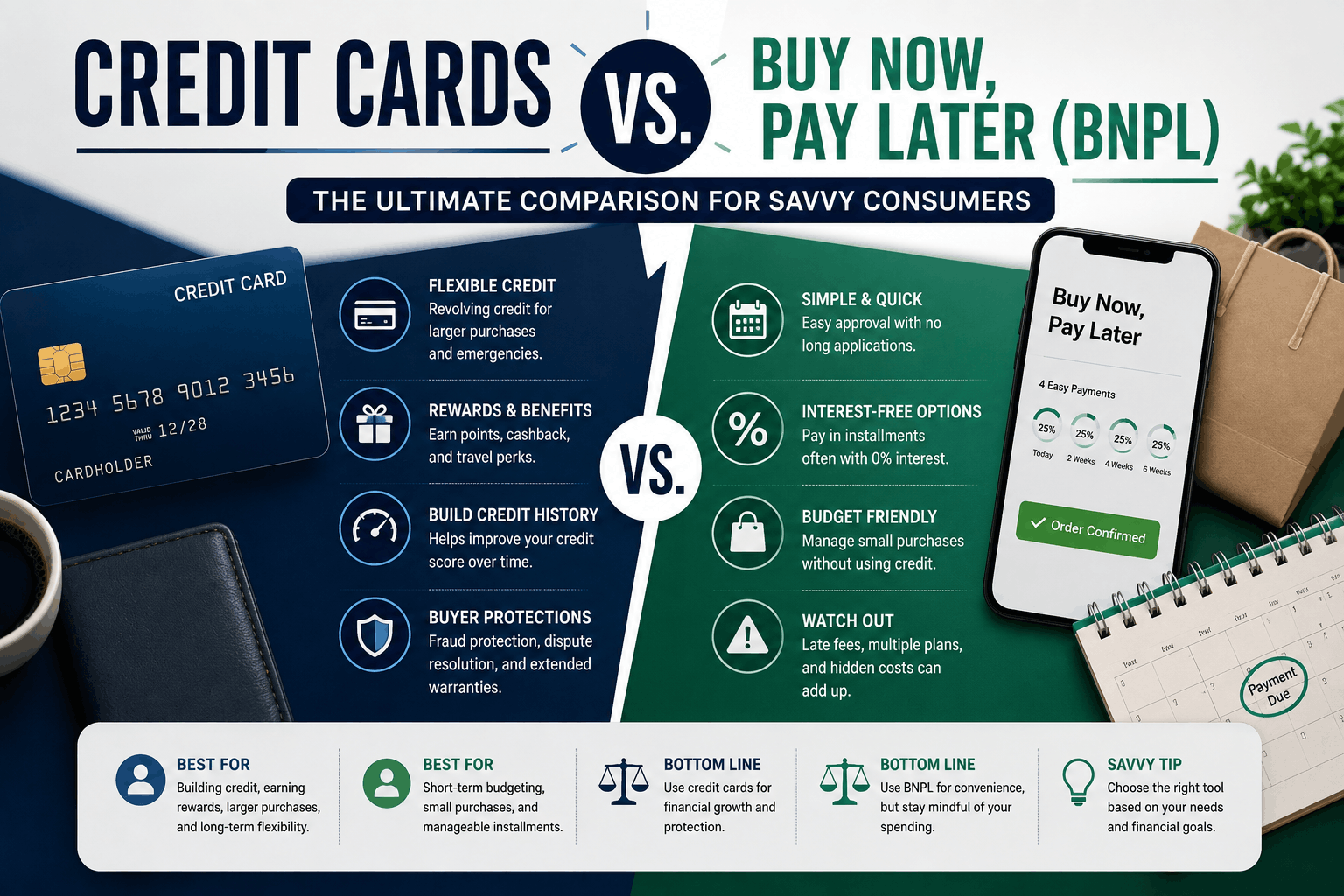
The landscape of modern consumer finance has evolved rapidly over the last decade. While credit cards have long stood as the premier tool for short-term borrowing, reward accumulation, and consumer protection, a newer digital alternative has emerged to challenge their dominance: Buy Now, Pay Later (BNPL). Often integrated directly into online shopping checkouts, BNPL services promise a frictionless way to split purchases into installments, frequently advertising zero interest. However, understanding the structural, financial, and regulatory differences between credit cards and BNPL is essential for making informed financial decisions. This comprehensive guide dissects how both mechanisms operate, compares their impact on your financial health, and outlines when to deploy each tool responsibly.
Understanding the Core Financial Mechanisms
To choose the right financing tool, you must first understand how credit cards and BNPL systems differ in their underlying financial architecture. While both allow you to purchase goods immediately and pay for them later, they do so through entirely different credit structures.
How Credit Cards Work
Credit cards operate on a revolving credit model. When an issuer approves your application, they grant you a credit limit—a maximum balance you can carry at any given time. As you make purchases, your available credit decreases; as you make payments, your available credit is restored. Key features of revolving credit include:
- The Grace Period: This is the window (typically 21 to 25 days) between the end of your billing cycle and your payment due date. If you pay your statement balance in full by the due date, the issuer charges zero interest on your purchases.
- Revolving Balances: If you do not pay the full statement balance, the remaining debt “revolves” to the next month. You are required to pay a minimum amount, and interest (expressed as an Annual Percentage Rate, or APR) begins to accrue daily on the outstanding balance.
- Compounding Interest: Credit card interest typically compounds daily, meaning you pay interest on your accumulated interest, making revolving balances highly expensive over time.
How Buy Now, Pay Later (BNPL) Works
BNPL services are structured as point-of-sale installment loans. Instead of providing an open line of credit for ongoing use, a BNPL provider issues a micro-loan for a specific transaction. The most common structure is the “Pay in 4” model:
- Installment Structure: The total cost of the purchase is divided into four equal payments. The first payment (25%) is due immediately at checkout. The remaining three payments are automatically billed to your linked debit card, credit card, or bank account every two weeks over a six-week period.
- Interest-Free Promotions: Many BNPL providers charge no interest for standard short-term installment plans. Instead, they make money by charging merchants a transaction fee and collecting late fees from consumers who miss payments.
- Long-Term Installments: For larger purchases, some BNPL providers offer longer repayment terms (ranging from 3 to 36 months). These longer-term plans often carry high, compounding interest rates comparable to credit cards.
Side-by-Side Comparison: Credit Cards vs. BNPL
| Feature | Credit Cards | Buy Now, Pay Later (BNPL) |
|---|---|---|
| Credit Structure | Revolving credit line; reusable up to credit limit. | Single-use installment loan per transaction. |
| Grace/Repayment Period | 21-25 days; interest-free if statement is paid in full. | Typically 6 weeks (split into 4 bi-weekly payments). |
| Interest Rates (APR) | Typically 15% to 29.99% if balance is revolved. | 0% for standard “Pay in 4”; up to 30%+ for long-term loans. |
| Rewards & Perks | Robust (cashback, points, travel miles, sign-up bonuses). | Minimal to none; some offer proprietary merchant discounts. |
| Credit Score Impact | Reports to major bureaus; builds credit history if managed well. | Rarely reports positive history; may report defaults or hard inquiries. |
| Consumer Protections | Strong federal protections (chargebacks, fraud liability limits). | Limited; dependent on the provider’s internal policies. |
The Impact on Your Credit Score
One of the most critical distinctions between these two payment methods is how they interact with credit reporting agencies. Your credit score dictates your ability to secure mortgages, auto loans, and competitive insurance rates, making this a vital consideration.
How Credit Cards Build Credit
Credit cards are highly effective tools for establishing and improving your credit profile because card issuers report your account activity to major credit bureaus monthly. Your credit score is positively influenced when you maintain a long history of on-time payments and keep your credit utilization ratio (the percentage of your credit limit you actually use) below 30%. Because credit cards are ongoing accounts, they also increase the average age of your credit history, which accounts for 15% of your FICO score.
How BNPL Affects Your Credit Profile
The relationship between BNPL and credit bureaus is highly fragmented and varies significantly by provider and region. Most BNPL services perform a “soft” credit check during approval, which does not impact your credit score. However:
- Lack of Positive Reporting: Many BNPL providers do not report on-time installment payments to the credit bureaus. Consequently, paying off a BNPL loan successfully often does nothing to build your credit score.
- Negative Reporting for Missed Payments: If you miss payments and your account is sent to a collections agency, the BNPL provider or collector will report the default, severely damaging your credit score.
- Potential for Inquiries: Some BNPL providers offer longer-term financing options that require a “hard” credit inquiry, which can temporarily lower your credit score by a few points.
Consumer Protections and Security Features
When making purchases online or in-store, transaction security and dispute resolution mechanisms are paramount. Credit cards offer a regulated, highly structured safety net that BNPL services generally do not match.
The Golden Standard of Credit Card Protections
In many jurisdictions, credit cards are heavily regulated by consumer protection laws, such as the Fair Credit Billing Act (FCBA) in the United States. These laws grant cardholders robust rights:
- Zero Fraud Liability: If your credit card is used unauthorized, your liability is legally capped at a minimal amount (often $50), and most major issuers offer voluntary zero-liability policies, meaning you pay nothing for fraudulent transactions.
- Chargeback Rights: If a merchant fails to deliver a product, sends a defective item, or refuses a legitimate return, you can initiate a chargeback with your card issuer. The issuer investigates, and if your claim is valid, the funds are returned to your account.
- Ancillary Protections: Many premium credit cards include complimentary purchase protection (against theft or damage), extended warranties, and trip cancellation insurance.
The Unregulated Landscape of BNPL
Because BNPL is a relatively new fintech product, it often bypasses traditional credit regulations. When you experience an issue with a BNPL purchase, resolving it can be challenging:
- Complex Dispute Processes: If you receive a damaged product purchased via BNPL, you must typically resolve the dispute directly with the merchant first. During this dispute process, you are usually still required to make your scheduled BNPL payments. Stopping payments can result in late fees and account suspension.
- Lack of Statutory Chargeback Rights: BNPL providers are not legally mandated to offer the same chargeback protections as credit card issuers. While some providers offer internal buyer protection programs, their resolution timelines and standards are entirely at their own discretion.
Cost Analysis: Interest, Fees, and Penalties
Understanding the cost of borrowing is essential to avoid falling into debt traps. Both credit cards and BNPL have distinct fee structures that apply when you deviate from standard payment terms.
Credit Card Costs
The primary cost of using a credit card is the interest charged on revolving balances. If you carry a balance month-to-month, the interest can quickly compound. Other potential credit card fees include:
- Annual Fees: Charged by some rewards or premium cards in exchange for high-value benefits.
- Late Payment Fees: Charged if you fail to pay at least the minimum payment by the due date.
- Cash Advance Fees: High fees and immediate interest charged when withdrawing cash from an ATM using your card.
BNPL Costs
While BNPL advertised as “Pay in 4” is interest-free, it is far from risk-free. Providers make a substantial portion of their revenue from consumer slip-ups:
- Late Fees: If an automatic payment fails due to insufficient funds, BNPL providers charge late fees. These fees can be flat rates (e.g., $7 to $10 per missed payment) or a percentage of the total order value, sometimes capped at 25% of the purchase price.
- Autopay Risks: Because BNPL relies on automatic withdrawals, a surprise withdrawal can trigger overdraft fees from your bank if your account balance is low.
- Debt Accumulation: The frictionless nature of BNPL can lead to “debt stacking,” where a consumer has multiple overlapping bi-weekly payment plans active simultaneously, leading to an unmanageable cumulative cash outflow.
When to Use Each Financial Tool
Choosing between a credit card and a BNPL plan depends on your financial discipline, your credit goals, and the nature of the purchase. Below are guidelines for selecting the optimal tool.
Choose a Credit Card If:
- You Can Pay the Statement in Full: If you have the cash flow to clear your balance monthly, a credit card is always superior due to rewards, cashback, and safety benefits.
- You Want to Build Your Credit Score: Consistent, responsible credit card usage is one of the fastest ways to build a strong credit profile.
- You Are Purchasing High-Value Items: For electronics, travel, or expensive appliances, credit cards provide essential purchase protection, extended warranties, and chargeback security.
- You Travel Frequently: Credit cards offer travel-specific perks, no foreign transaction fees (on select cards), and universally accepted booking capabilities for hotels and car rentals.
Choose BNPL If:
- You Need to Spread Out a Necessary One-Off Expense: If you must make an urgent purchase (such as a replacement appliance) and do not have the immediate cash, an interest-free “Pay in 4” BNPL plan can spread the cost safely over six weeks without accruing interest.
- You Want to Avoid Hard Credit Inquiries: If you are planning to apply for a major loan (like a mortgage) in the near future and want to avoid hard inquiries on your credit report, BNPL offers a way to finance a purchase with only a soft credit pull.
- You Struggle with Revolving Debt: For individuals who find the open-ended nature of revolving credit cards tempting, BNPL’s structured, finite repayment schedule can prevent long-term debt accumulation, provided you do not stack multiple plans.
Decision Checklist and FAQ
Use this quick checklist to evaluate your purchase method before checking out:
- Do I have the funds to pay this off completely within 30 days? (If yes, use a credit card for rewards).
- Does this purchase require insurance, an extended warranty, or travel protection? (If yes, use a credit card).
- Am I trying to actively build my credit history? (If yes, use a credit card).
- Am I buying something I cannot afford, relying on future income to make payments? (If yes, reconsider the purchase entirely to avoid debt risk).
Frequently Asked Questions
Can I pay for a BNPL plan using my credit card?
Yes, many BNPL providers allow you to link a credit card as your primary payment method. While this allows you to double-dip by earning credit card rewards on your BNPL installments, it also introduces double-debt risk. If you cannot pay off the credit card balance, you will end up paying high credit card interest on your BNPL purchase.
Does BNPL carry a pre-payment penalty?
Most reputable BNPL providers do not charge pre-payment penalties. You can typically log into your account portal and pay off the remaining installment balance early without any fees or interest charges.
Are credit card interest rates fixed or variable?
Most credit card interest rates are variable and tied to a benchmark index, such as the prime rate. When central banks adjust interest rates, your credit card’s APR will likely adjust accordingly. Terms and conditions vary by card issuer and geographic location, so it is vital to review your cardholder agreement regularly.
What happens if I need to return an item bought with BNPL?
You must initiate the return with the merchant. Once the merchant processes the return and issues a refund to the BNPL provider, the provider will credit your BNPL account. However, this process can take several weeks, and you must continue making your scheduled payments in the interim to avoid late fees.
Featured image via Isparetime — Wikimedia Commons (CC BY-SA 3.0).